Decoding Technical Illegibility with Atypical Ventures’ Chris Wake
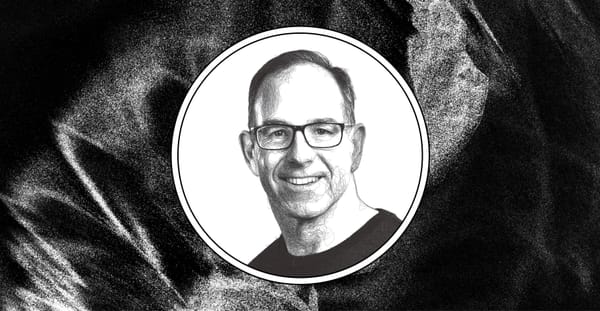
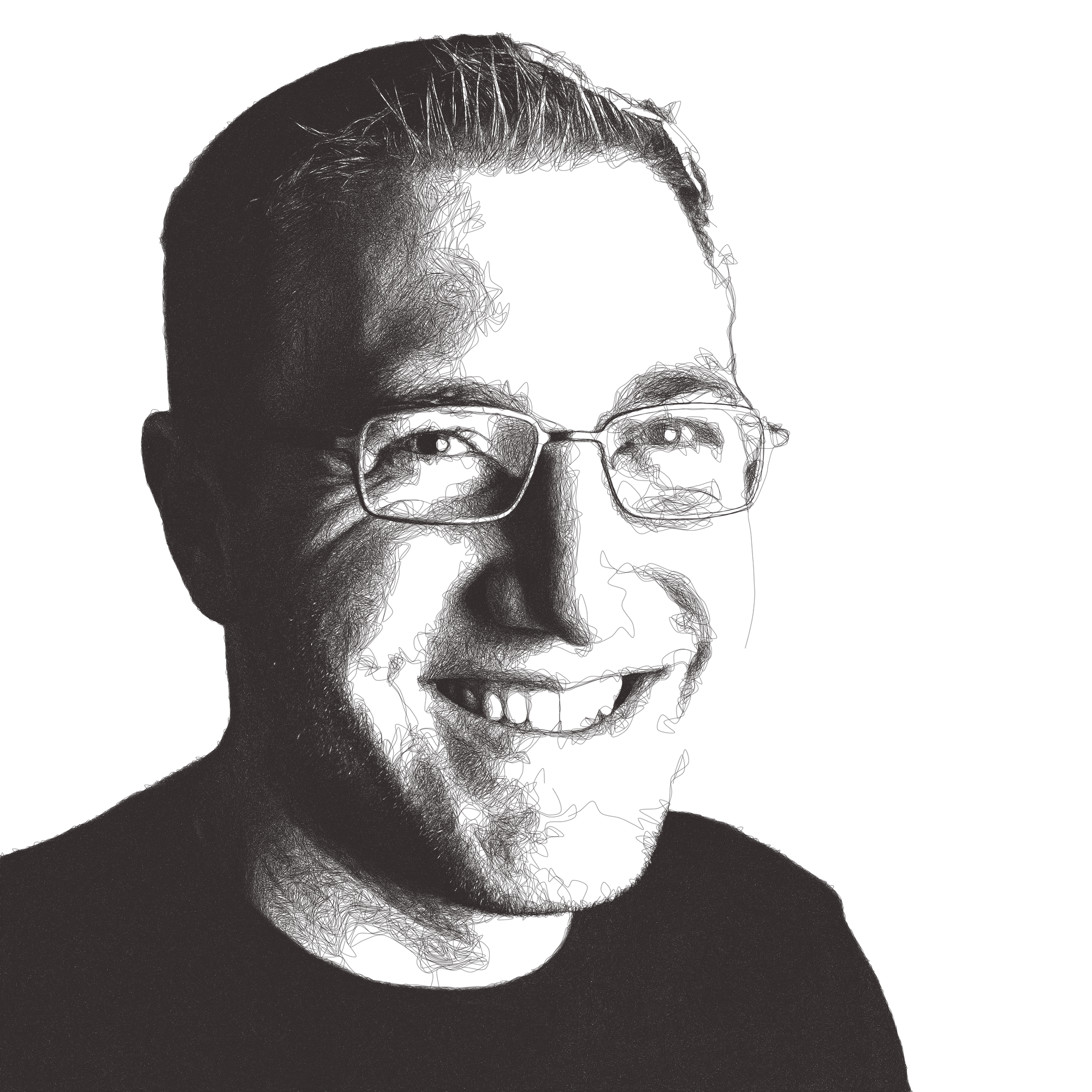
Chris Wake is founding partner at Atypical Ventures, a New York-based VC firm investing in frontier ideas across atoms, bits, and cells.
Chris Wake is founding partner at Atypical Ventures, a New York-based VC firm investing in frontier ideas across atoms, bits, and cells.
What is Atypical Ventures?
Atypical is a pre-seed and seed fund investing in plausible science fiction or radical technical insights that are just barely possible today but likely inevitable tomorrow. These are the kinds of ideas that feel impossible at first, then obvious in hindsight.
We back engineers with empathy. Founders who not only have the IQ to build something groundbreaking, but the EQ to lead, recruit, and navigate complex systems with humility. We’re looking for company builders who can bend physics and then build the team, product, and trust to make it real.
What we invest in often feels like magic at first glance, but under the hood, it’s deeply practical. These technologies become primitives that unlock entirely new markets.
How did you get into venture capital?
I’ve been doing the work of a VC long before I had the title. I was hunting for inflection points, cold-emailing brilliant people, and building systems from scratch. In school, I dropped out to drop in. I left an engineering degree program but kept showing up to engineering classes anyway and taking the ones that genuinely interested me. I knew I wanted to build tech, and I knew I wanted to start companies.
One engineering professor once said: “If you want to be a founder, learn sales. It’s the fastest way to learn what people actually value and it’s foundational to everything you’ll do as a CEO.” That stuck. I made it my mission to learn how to sell and I’ve been building from that principle ever since.
I’ve had fun along the way. I’ve done everything from manufacturing novelty doormats to joining Spire (then called NanoSatisfi) as the first employee and eventually COO, where we went from zero to space in 12 months and launched 65 satellites during my time there. Later, I joined Vercel (then called Zeit), sourced Kepler Communications for Costanoa Ventures as an Entrepreneur in Residence, and became the operator founders called when the roadmap got weird.
After nearly a decade building in the Bay Area, my wife and I moved to New York and suddenly I had a rare vantage point. I had a West Coast risk appetite and a background in building frontier ventures but was on the “wrong” coast. I became a magnet for deep tech founders who didn’t quite fit the mold. I understood the technical edge, had access to Valley capital, and was one of the few people on the East Coast who could help them navigate both.
Eventually, my wife said, “You’re spending all your time helping these other companies. Why not start a fund and actually make that the thing?” That was the nudge I needed and Atypical became the kind of fund I would’ve wanted to work with myself if I were starting something new. We started Atypical to be the early believer, the technical translator, and the long-term partner. The kind of investor who shows up before it’s obvious and sticks around after it is.
What founder archetype does Atypical Ventures look for?
We look for “engineers with empathy.” That means founders who have the technical fluency to build what others consider impossible and the emotional intelligence to build teams, inspire believers, and iterate with customers.
At Spire, we built a hiring rubric around IQ, EQ, and passion. We scaled to more than 100 people with <1% voluntary attrition while accepting less than 1% of applicants. That experience shaped what we now look for at Atypical.
Recruiting is a core skill since a great founder is gravitational. They pull in people with superpowers that complement their own. The best CEOs understand that their leverage comes from team-building as much as technical brilliance.
What is your approach to due diligence?
Our edge is decoding what others find illegible. We look for “n-of-1” opportunities. These are things so early or strange that there’s no consensus yet on what they are or could become. If something’s too obvious, we’re probably too late.
A big part of our diligence process is understanding how founders think, not just what they think. Markets shift. Products pivot. But how someone reasons through ambiguity is key. What mental models do they rely on? How do they frame tradeoffs? These kinds of questions give us a window into how they’ll adapt over time, especially when the path gets nonlinear.
We also don’t try to be experts in everything. When we invested in a nuclear company, I wasn’t a nuclear engineer. So I tapped my network that includes folks at the NRC, engineers who’d built reactors, people who’d bought isotopes for medical use. We triangulated conviction by assembling perspectives others wouldn’t have taken the time to collect. Diligence isn’t about achieving certainty. It’s about developing asymmetric conviction before the rest of the market catches on.
What patterns lead to successful commercialization of science-based breakthroughs?
We don’t like market risk not because we’re risk-averse, but because we invest in primitives, not point solutions. We look for technologies that shift the substrate across multiple industries, not just solve one vertical’s pain point.
Take nuclear. We didn’t back a fusion company or a small modular reactor (SMR) startup. We backed a company solving the bottleneck beneath them all, which is nuclear fuel. The entire downstream stack—from energy to medicine—depends on that input, yet it’s constrained by a handful of aging, government-run reactors outside the U.S. If you unlock that bottleneck, you enable every application, and upend the economics of any one of them.
Another pattern is that deeply technical founders often struggle with the squishiness of product-market fit. So we give them reference points like calls with other founders who’ve felt it. Hearing the difference between interest and pull helps them calibrate. It becomes a visceral benchmark.
How do you define deep tech?
Deep tech lives at the edge of legibility. If the average investor can understand it, it’s probably not deep tech anymore. We used to consider natural language processing deep tech. Now it’s a household topic. LLMs are on the nightly news. When something crosses that threshold, the returns get compressed.
You can define deep tech in terms of scientific vs. engineering risk but that’s a blurry line too. Scientific risk has no clear end. If something takes three miracles and 40 years. Is that deep tech or science fiction?
Instead, we ask: Is this understandable to most people, or does it still require translation? If it’s still illegible to the crowd, that’s where we like to be.
HAUS specializes in public relations and creative services for deep tech startups.