Closing the Authentication Gap in Quantum Communication with QSA Technology’s Naomi Braam
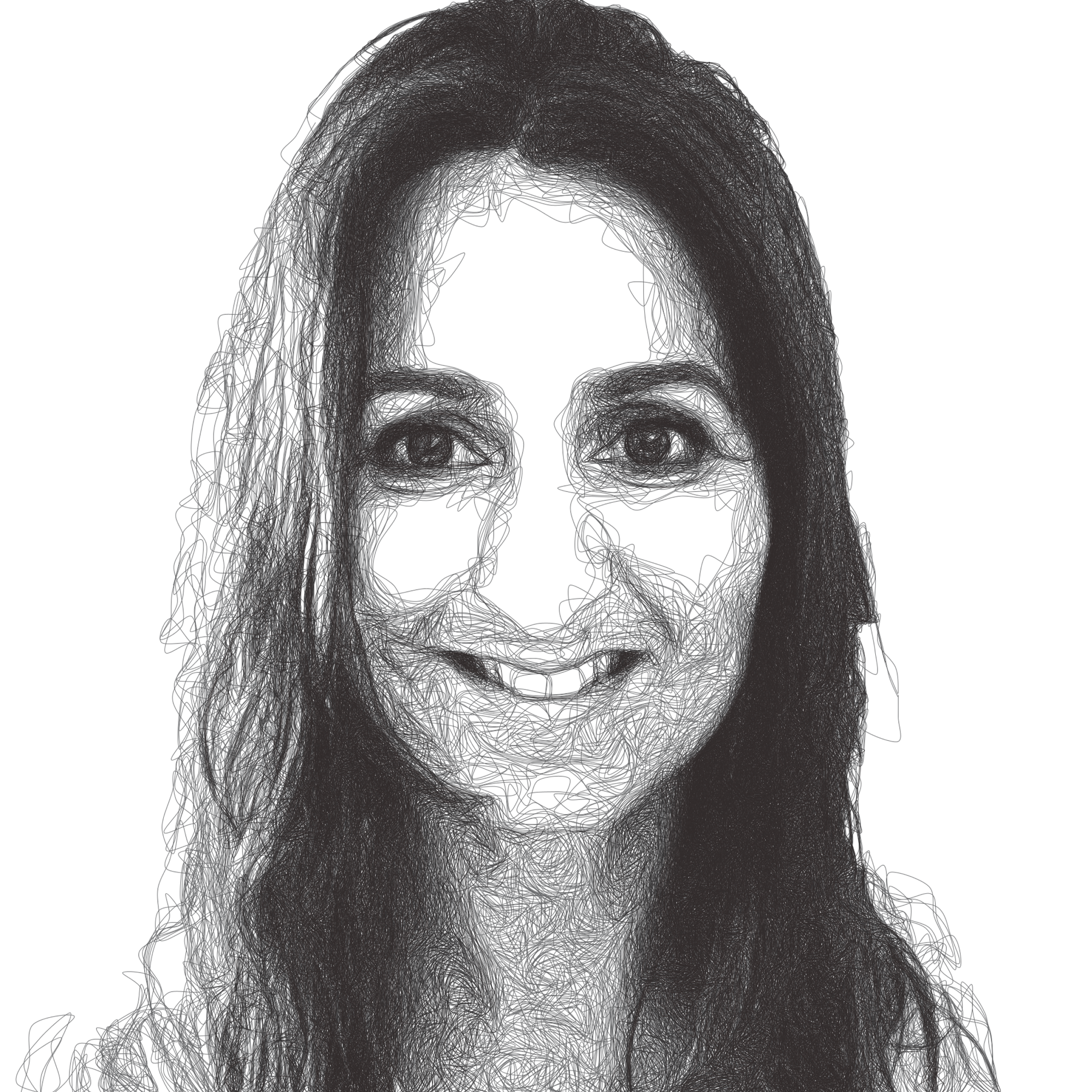
Naomi Braam is the co-founder and CEO of QSA Technology, a University of Twente spin-out building photonic chips that authenticate hardware for quantum-safe communication.
Naomi Braam is the co-founder and CEO of QSA Technology, a University of Twente spin-out building photonic chips that authenticate hardware for quantum-safe communication.
What is QSA Technology, and what problem does it solve?
We make a photonic chip that handles authentication for quantum-safe communications. When you secure communication against the quantum threat, encryption is only part of the problem. You also need to know that the hardware on the other end is the right hardware. That is the gap we close. Our chip solves authentication at the physics layer, rather than relying on passwords or classical cryptography.
How did you come to co-found QSA Technology?
My background in tech started about 10 years ago. I began my career at Science and Technology, a company that worked in space on earth observation satellites, processing, and consulting for larger tech firms. They also did spin-outs. That is where I learned that building a business takes more than the technology. You have to bring a lot of expertise together. At that time, many spin-outs in the Netherlands came out of research institutes and were very tech focused rather than focused on the business case. That is a common pattern in deep tech, and it is where my own career started.
About two and a half years ago, I was asked to look at a business case and think about validating a new technology, a quantum-secure authentication chip. I started talking with people in my network to see where it could fit real use cases. That work turned into the company. We spun out last year together with our CTO, Daan Stellinga, who came from a research background that combined academic and industrial experience. Since then we have been growing, and we are now working on three projects for quantum-safe communications.
Why does the Netherlands have such a strong foothold in quantum technology?
The Netherlands is especially strong here, and a lot of that comes from the ecosystem around QuTech in Delft. QuTech is a group at TU Delft. It works closely with TNO, a national research institute, and with high tech companies on prototyping and development. Years ago, professors there started building toward a quantum computer, and they organized the work into a few areas. Quantum internet is one of them.
A whole ecosystem grew up around that effort. The government helped build it through what we call a growth fund. The growth fund produced a kind of manifesto, a shared vision. That vision was then translated into concrete technical lines of work with the universities and the research institutes. They were very good at spin-outs. Off the top of my head, I think the ecosystem has produced around seven so far, across different areas of quantum.
The Netherlands was ahead, and then it connected the regions together. Delft linked up with Eindhoven, Twente, and Amsterdam to build a national quantum hub. That is why we have such a good footing in the quantum ecosystem today.
How does government support for deep tech differ between Europe and the United States?
In the United States, as I understand it, you work with investors very early, at the pre-seed and seed stage. In Europe it works differently. Here you often start in a consortium, funded by European grants and subsidies. In the Netherlands, there are national grants and subsidies on top of that. A spin-out can apply to many of them, and that support helps startups get going.
Both models are interesting. With venture capital you can grow faster, because more money lets you move faster. Europe leans the other way, with much more involvement from the government. It is simply a different ecosystem.
What are the biggest challenges you face in scaling QSA Technology?
There are a lot of them. Talent is a real issue, and finding people with genuine expertise is hard. The grants are relatively easy to get when your technology is still at an early stage, but that is also a trap. You still have to think about commercializing the product, and I think the United States is better organized for that. In Europe, you validate through the consortium model, and a big part of the work is building awareness.
Investors want proof that industry will buy the technology. With quantum, the technology is not fully here yet. We have predictions, but the need is not urgent today in sectors like banking or satellite communications. So a lot of the job is creating awareness of the technology and of the future threat, and explaining how our authentication can close that gap. It comes down to networking and finding the right people in industry who understand the need and feel its urgency.
Are you hopeful about the future of quantum technology and Europe’s place in it?
It depends on who you ask. A scientist might give you a different answer. When I look at the global picture, though, I think we get there one way or another. China is very far along, and so is the United States. Europe’s position is a trickier question. I hope we can keep pace. We lag in manufacturing and in money, but in expertise we are genuinely strong. The bottleneck is really the investment climate. If we raised even a few million euros now, which is not a lot of money at a global level for this field, we could fund the company well. That is hard to come by here. So you spend a lot of time networking and finding the right people, all while trying to build something very complex on the technical side. That is a lot to ask at once.
How do you define deep tech?
Deep tech sits at the core of the university, at the level that is truly fundamental. From that fundamental base, you move up to a higher level, and you add a bit of vision. For me, deep tech is the combination of those two things, the fundamental and the visionary.

Infinite Frontiers is made possible by HAUS, the leading public relations agency for deep tech startups and scaleups